The Trust Search requires customer reviews to begin with evidence of an actual transaction, closing the gap between a convincing account and an experience that can be substantiated. That distinction has shaped the customer review platform developed under CEO Daniel Gabriel Scarlat since he acquired the website several years ago, subjecting fabricated praise and unfounded criticism to the same scrutiny. Consumers can examine verified reviews with greater confidence that the reviewer dealt with the business, while companies can challenge fraudulent feedback without purchasing favorable ratings or silencing legitimate complaints.
The Trust Search draws a line between a customer who can describe a transaction and one who can prove it happened. A fabricated review can imitate a dissatisfied buyer or praise a service never received. Neither glowing endorsements nor damaging complaints escape the same requirement: the experience behind the rating must withstand verification before publication.
A receipt or invoice starts the verification process, but does not complete it. Customers must submit evidence of a purchase or service interaction, while automated redaction protects sensitive details such as card numbers and addresses before publication. The remaining transaction record gives auditors a basis for checking whether the experience can be substantiated.

Automated screening examines submitted records for signs of alteration or fabrication, including potentially AI-generated documents. Human moderators assess transaction details, dates, and compliance with review policies before deciding whether feedback qualifies for publication. Understanding how verified reviews work also means looking beyond individual receipts: suspicious activity may expose attempts to manipulate ratings even when documents appear genuine. The platform's approach to fake review prevention therefore extends beyond checking the documents themselves.
Passing verification gives buyers evidence that a review comes from a genuine customer, but does not guarantee every opinion is accurate or fair. A verified customer may praise a service, criticize poor workmanship, or describe an unresolved complaint. Prospective buyers must still weigh those accounts against other verified reviews when comparing businesses.

Protecting that freedom to criticize also means keeping fabricated accusations out of the same conversation. Across review platforms, a false complaint can damage a business that never served the reviewer, while purchased praise can give competitors artificially inflated ratings. The Trust Search's rules prohibit incentivized reviews, employee self-reviews, and competitor attacks, allowing businesses to challenge suspected manipulation without gaining control over legitimate criticism.
“Businesses should not have to defend themselves against fabricated feedback, nor should genuine customers lose their right to criticize. We built our verification process to protect both sides, ensuring authentic reviews remain independent of commercial influence. Across review sites, trust must come from real experiences, not purchased ratings or paid removals,” said Daniel Gabriel Scarlat, CEO of The Trust Search.

A Real Receipt Cannot Settle Every Customer Dispute
A genuine transaction can produce two conflicting accounts of the same experience. A customer may consider the service inadequate while the business maintains that it fulfilled its obligations. The customer review platform can substantiate the customer relationship, but cannot determine satisfaction or settle every disagreement over what occurred.
Disputes therefore require a different standard from checks performed before publication. Businesses can challenge fraudulent documentation, mistaken business identification, conflicts of interest, or violations of review policies. Human moderators examine those challenges and may request further evidence, allowing businesses to pursue online reputation management through substantiated disputes rather than attempts to remove unfavorable ratings.
A refund, corrective service, or settlement may resolve the complaint without making the original experience fictitious. Reviewers may update feedback under the platform's guidelines, but businesses cannot condition a remedy on deletion. Resolving a complaint may change the customer's assessment, but it does not give the business control over the original review.
The Trust Search Key Features and Facts
Review frequency: One review is permitted per distinct invoice or transaction.
Accepted documentation: Supporting evidence includes receipts, invoices, order confirmations, and booking records.
Business discovery: Searchable categories include automotive, home services, healthcare, restaurants, retail, and professional services.
Customer participation: Reviewers can add businesses that do not already have profiles.
Reviewer dashboard: Customers can upload transaction documents for later use when submitting reviews.
Frequently Asked Questions
Q: Can customers submit reviews without an invitation from a business?
A: Yes. Customers can locate a business, describe their experience, attach qualifying transaction evidence, and submit feedback for verification without an invitation.
Q: Can customers use an alias when publishing a review?
A: The Trust Search permits public reviewer aliases. Businesses cannot challenge legitimate feedback solely because a reviewer's displayed name differs from their customer records.
Q: What happens if a review is flagged after publication?
A: The review may be placed on hold while moderators examine the dispute. The reviewer may be asked for clarification or additional evidence before the feedback is retained or removed.
To learn how The Trust Search separates genuine customer experiences from fabricated reviews while protecting the rights of buyers and businesses, visit https://thetrustsearch.com/.
About The Trust Search
The Trust Search is a Denmark-based customer review and business discovery platform led by CEO Daniel Gabriel Scarlat. Its verification model combines transaction-backed submissions, automated document screening, human moderation, privacy safeguards, and evidence-based dispute handling. The platform helps consumers evaluate businesses through verified customer feedback while supporting companies seeking protection against manipulated online reputations.
###
Contact:
The Trust Search
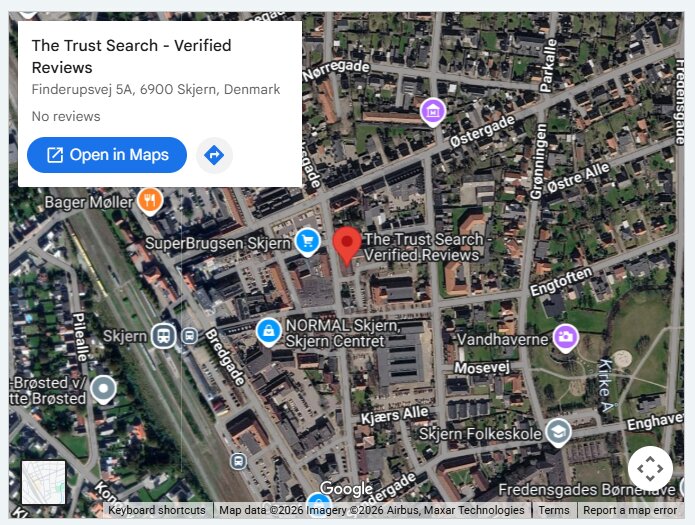
Finderupsvej 5a, 6900 Skjern, Denmark
+45 71 34 73 51
https://thetrustsearch.com/
[email protected]
Social Media:
Facebook: https://www.facebook.com/ttsverifiedreviews
YouTube: https://www.youtube.com/@TheTrustSearch
TikTok: https://www.tiktok.com/@the.trust.search.r
LinkedIn: https://www.linkedin.com/company/thetrustsearch/
newsroom: news.38digitalmarket.com
Source: 38 Digital Market News
Release ID: 2671611



